Search Results

20pages,1,174results in your"" Searchfor"Astronomy"- Refine your search withAdvanced Search
Current Lightbox
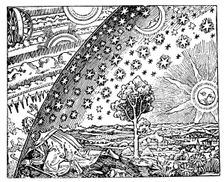
Reconstruction of a medieval conception of the universe, 19th century?. Artist: Anon
 
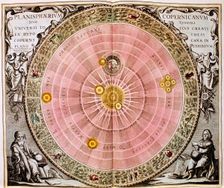
Copernican sun-centred (heliocentric) system of the universe, 1708
 
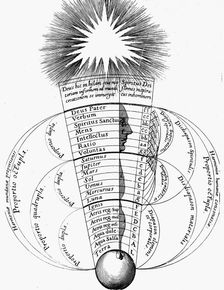
Divine harmony, 1617-1619. Artist: Anon
 
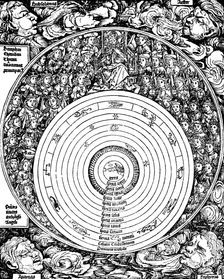
Geocentric universe, 1493
 
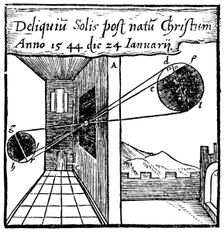
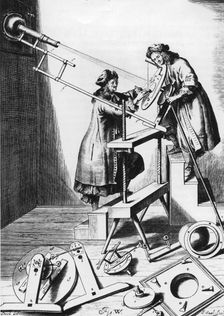
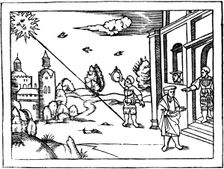
Observing a solar eclipse, 1673
 
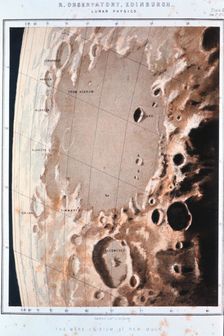
Part of the lunar surface, 1857. Artist: Anon
 
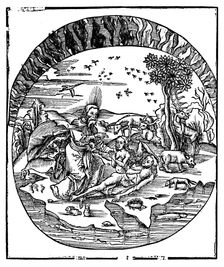
God creating Eve from Adam's rib, 1508
 
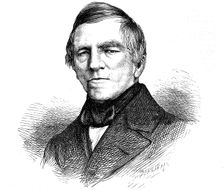
Johann Franz Encke, 19th century German astronomer
 
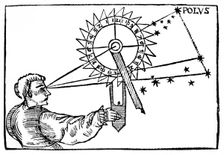
Telling time at night using a nocturnal, 1539
 
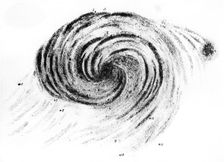
Observation of a spiral galaxy in Canes Venatici drawn by Lord Rosse, 1850. Artist: William Parsons, 3rd Earl of Rosse
 
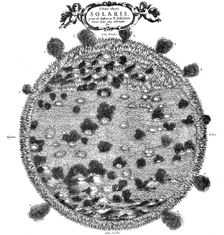
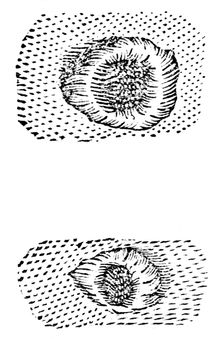
Christopher Scheiner's illustration of his idea of the surface of the sun, 1635
 
Measuring the altitude of the Sun, 1539
 
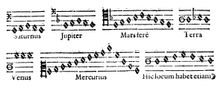
Music of the Spheres, 1619
 
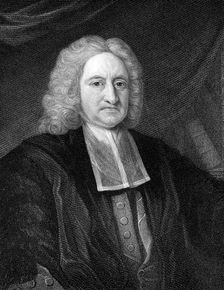
Edmond Halley, English astronomer and mathematician
 
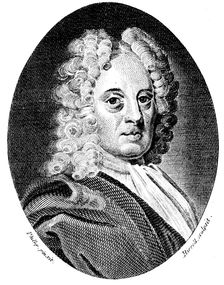
Edmond Halley, English astronomer and mathematician, c1720 (1794). Artist: A Birrell
 
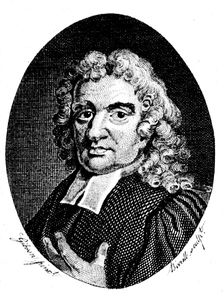
John Flamsteed, English astronomer and clergyman, 1794. Artist: A Birrell
 
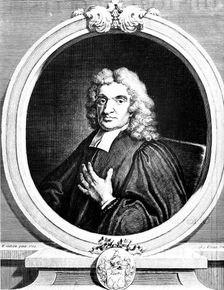
John Flamsteed, English astronomer and clergyman,1712 (1725). Artist: George Vertue
 
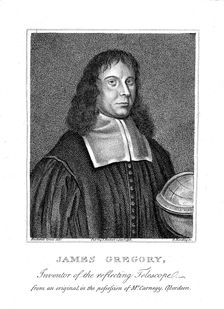
James Gregory, 17th century Scottish mathematician and astronomer
 
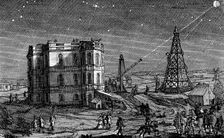
Paris Observatory, France, 1740
 
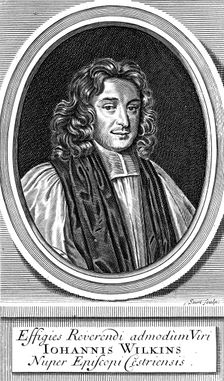
John Wilkins, 17th century English cleric and astronomer
 
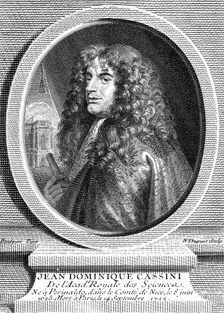
Jean-Dominique Cassini, Italian-born French astronomer, 1777
 
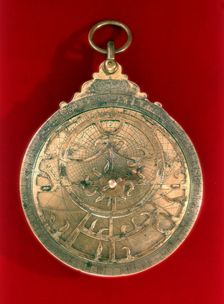
Astrolabe, Arabian navigational instrument, 11th century
 
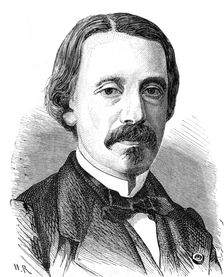
Jean Bernard Leon Foucault (1819-1868), French physicist, 19th century
 
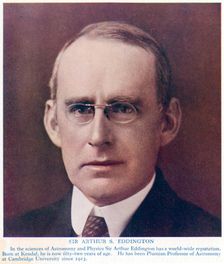
Arthur Stanley Eddington (1882-1944), British astronomer, physicist and mathematician, c1930-c1944
 
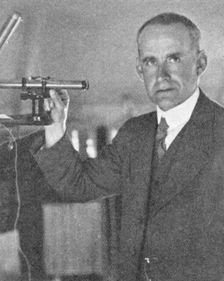
Arthur Stanley Eddington (1882-1944), British astronomer and physicist, c1934
 
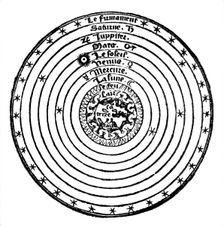
Geocentric or Earth-centred system of the universe, 1528
 
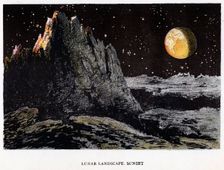
Artist's impression of the lunar landscape at sunset, 1884
 
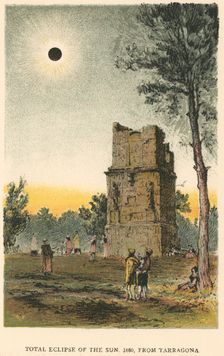
Total solar eclipse of 1860 observed from Tarragona, Spain, 1884
 
Aurora Borealis or Northern Lights, curtain form 1839. [1872]. Artist: Rapine
 
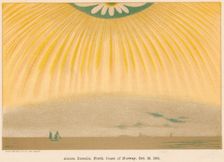
Aurora Borealis or Northern Lights observed from northern Norway, 10 October 1868, (1906)
 
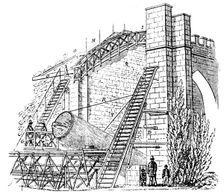
Lord Rosse's 72 in/1.8m reflecting telescope, 1849
 
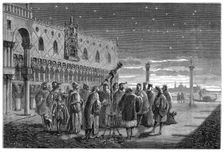
Galileo demonstrating his telescope, Venice, 1609 (1870)
 
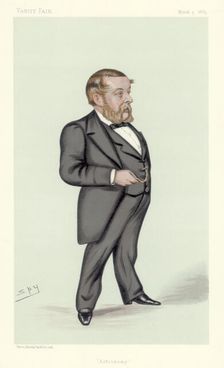
Richard Anthony Proctor, English astronomer, mathematician and popular science writer, 1883. Artist: Spy
 
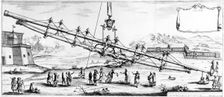
Long focal length refracting telescope, 1728
 
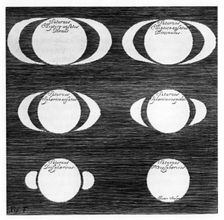
Series of observations of the planet Saturn, 1656
 
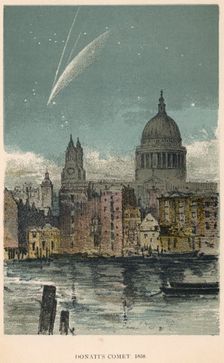
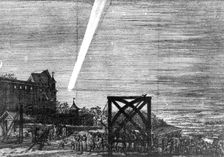
Donati's comet of 1858 viewed over St Paul's Cathedral, London, 1884
 
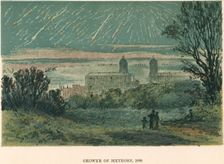
Shower of meteors (Leonids) observed over Greenwich, London, 1866 (1884)
 
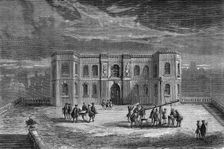
Paris Observatory in the time of Louis XIV, 17th century (1870)
 
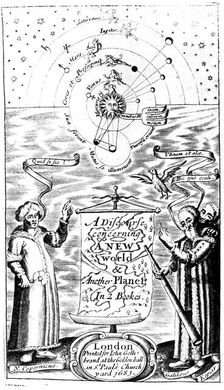
Title page of A Discourse Concerning a New World & Another Planet by John Wilkins, 1683
 
Flamsteed House in Greenwich Park, London, late 17th century
 
Comet of December 1680 (Kirch), 1681
 
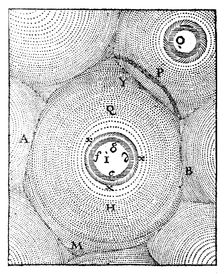
Descartes model of the Universe, 1668
 
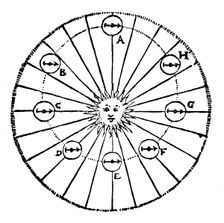
Kepler's concept of an attractive force from the Sun - a virtue early 16th century
 
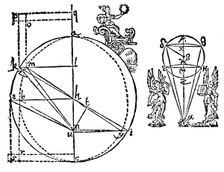
Kepler's illustration to explain his discovery of the elliptical orbit of Mars, 1609
 
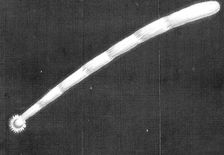
Great comet of 1680 (Kirch) as it appeared as it approached the Sun
 
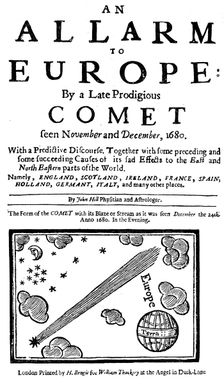
An Allarm to Europe By a Late Prodigious Comet 1680
 
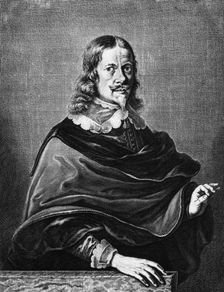
Johannes Hevelius, German astronomer, 1647
 
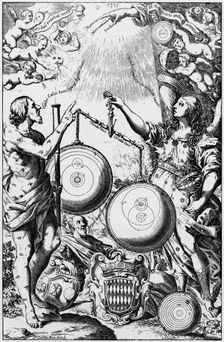
Urania, the Muse of Astronomy, weighing and comparing systems of the universe, 1651
 
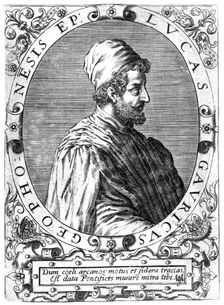
Lucas Gaurico, Italian astronomer, astrologer and mathematician, 16th century. Artist: Theodor de Bry
 
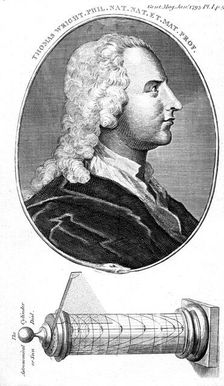
Thomas Wright, English astronomer, scientific instrument maker and teacher, 1793
 
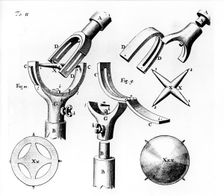
Universal joint invented by Robert Hooke, 1676
 
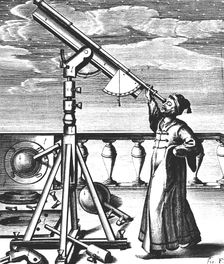
Johannes Hevelius, German astronomer, 1673
 
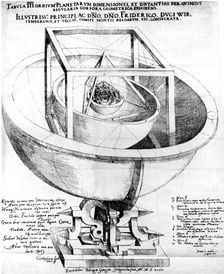
Kepler's explanation of the structure of the planetary system, 1619
 
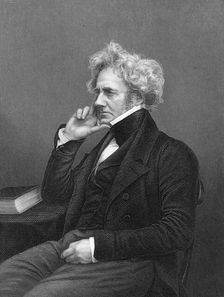
John Frederick William Herschel, English scientist and astronomer, c1870
 
Galileo's drawing of lunar craters, 1611, (c1655)
 
Nevil Maskelyne, English astronomer, 1804
 
Heinrich Wilhelm Mathias Olbers, German astronomer and physician, 1864
 
Andreas Osiander, 16th century German Lutheran theologian, 17th century
 
Geocentric or Earth-centred Universe, c1617
 
The divine harmony of the universe, c1617